We Paint Outside the Lines
We Paint Outside the Lines
About Dave Ruckle
About Dave Ruckle
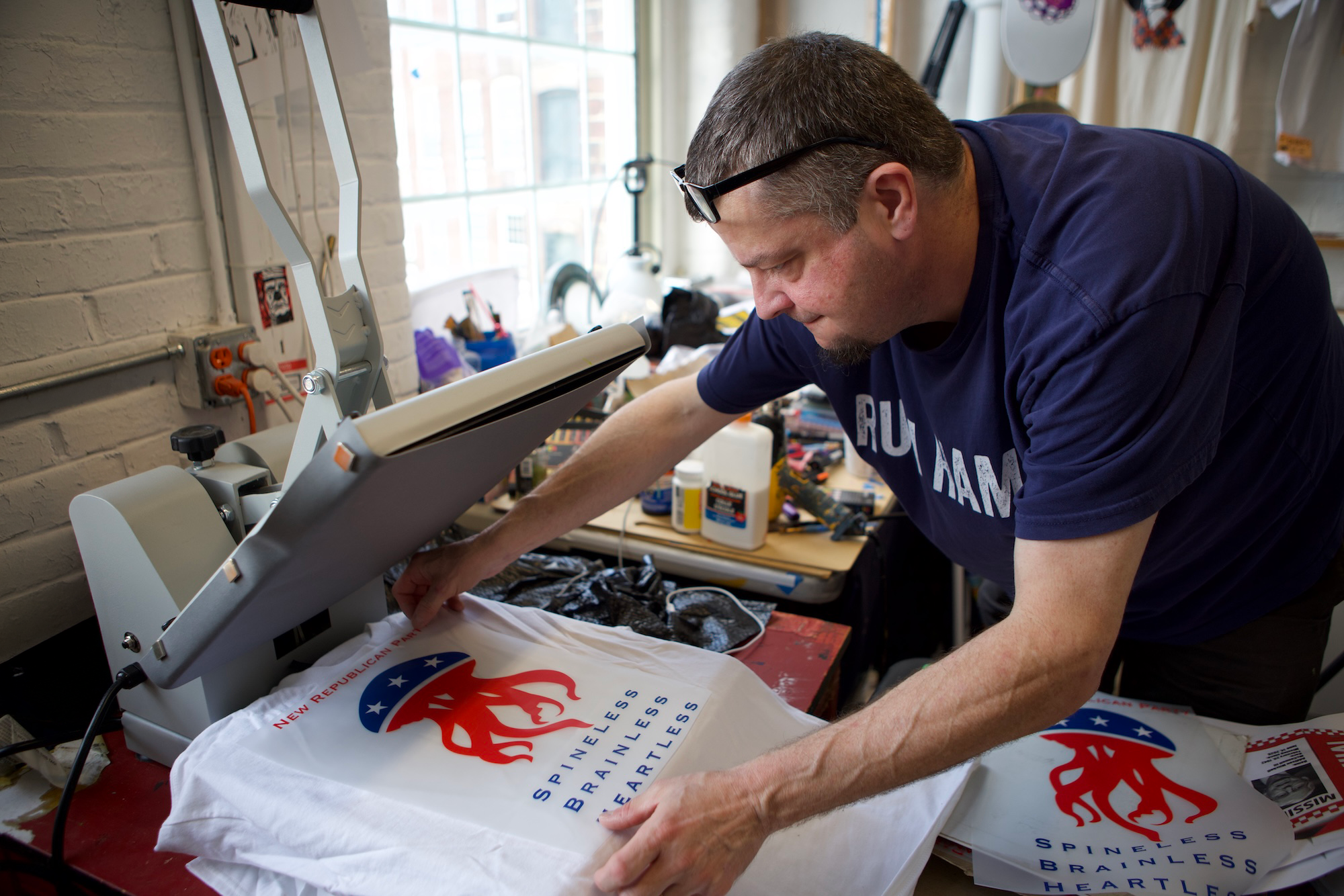
Dave Ruckle is the kind of artist who has a hard time leaving an idea alone.
A new material, an unusual surface, a photograph taken on a walk, or a technique he has never attempted before can all become reasons to start making. His practice has never followed a perfectly straight path, and he prefers it that way. Each project gives him something new to figure out, and what he learns often finds its way into whatever comes next.
Rather than defining himself by a single medium or style, Dave sees being an artist as permission to remain curious.
There’s Always Something Worth Trying
A Mind For Making
More Than One Way to Make Something
Dave has always been drawn to the act of figuring things out with his hands.
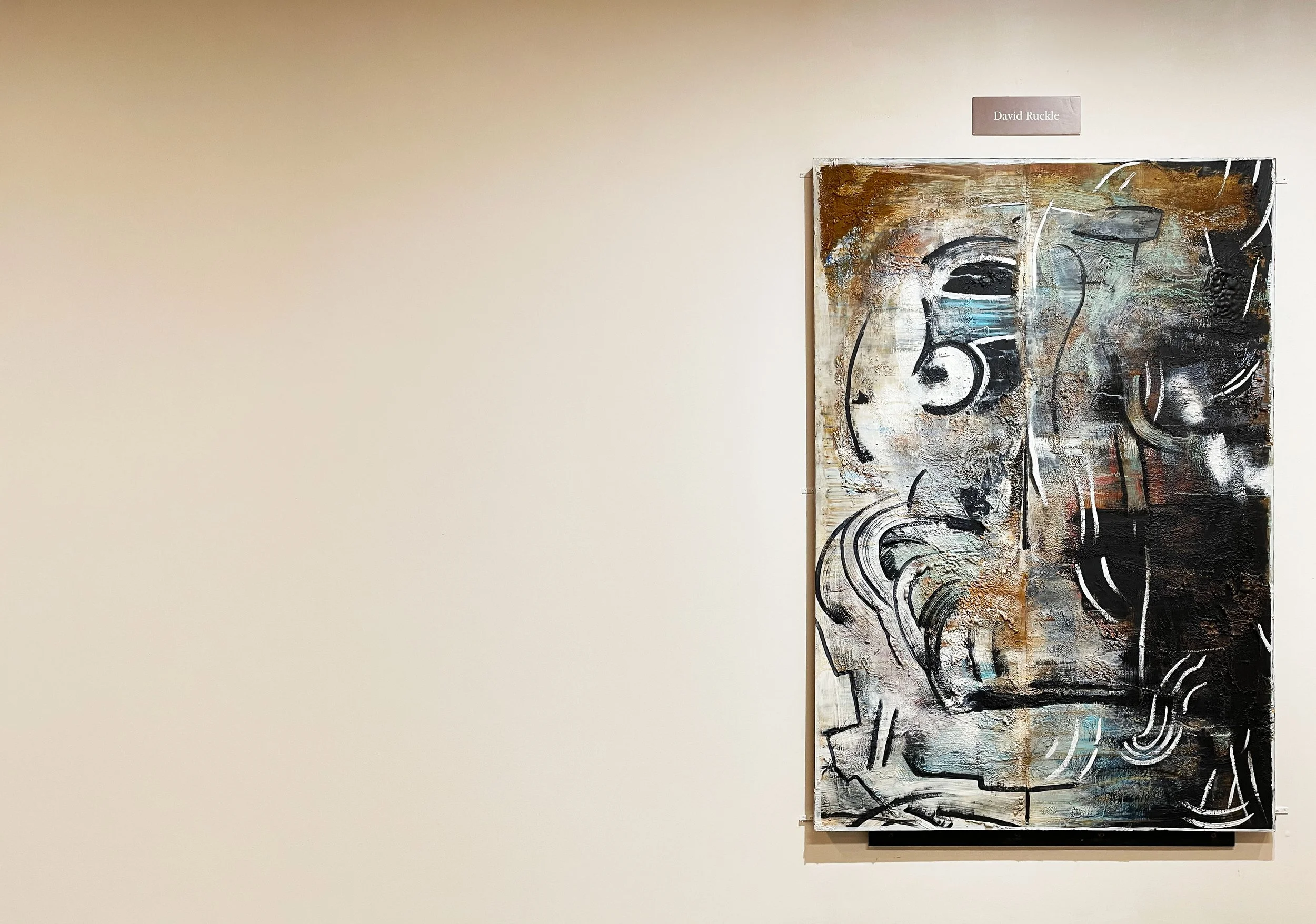
There is a problem-solving quality to the way he approaches art. He likes understanding how materials behave, what they resist, where they can be manipulated, and how far he can take an idea before it becomes something completely different.
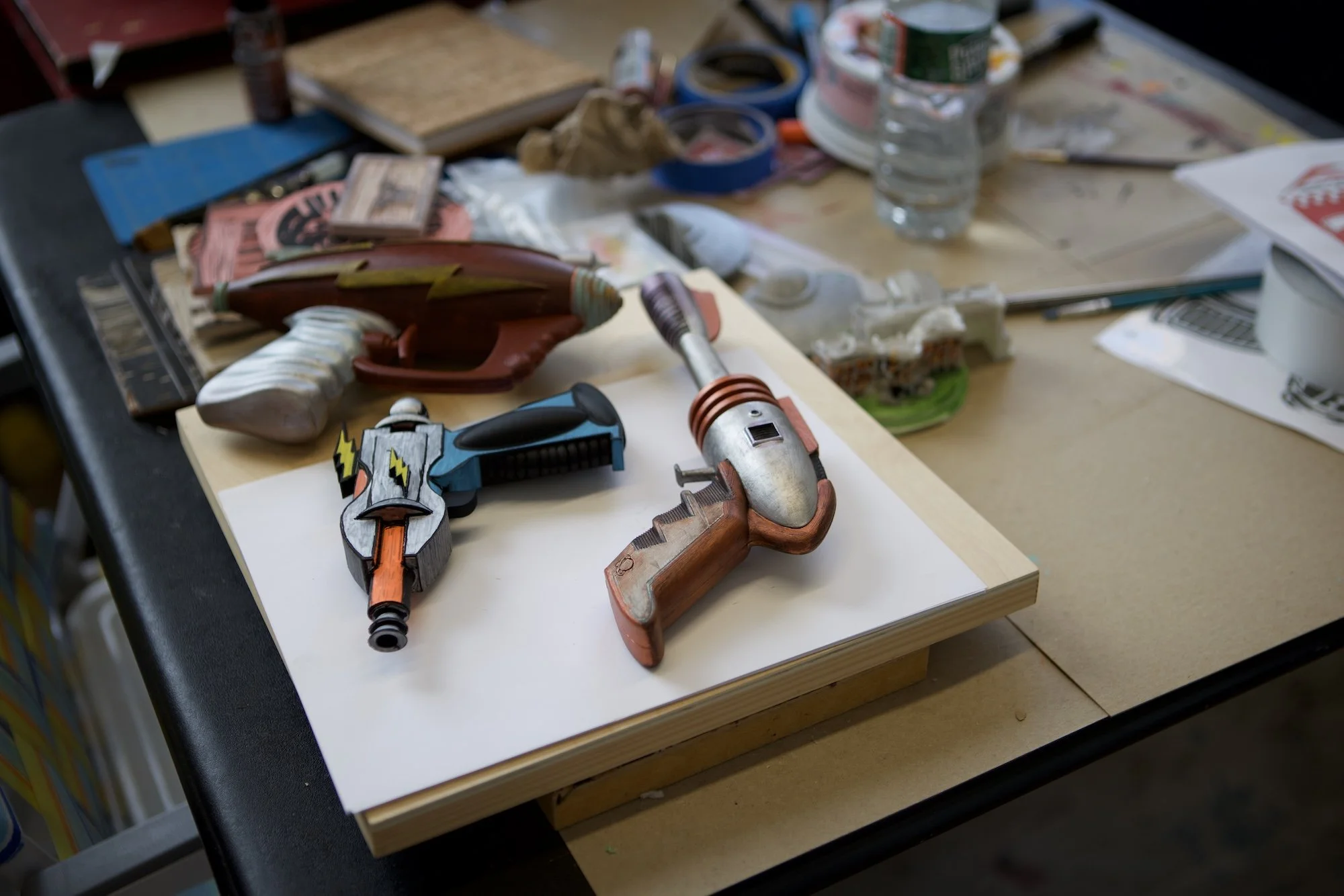
That mindset allows him to move comfortably between painting, printmaking, sculpture, model making, and whatever else happens to capture his attention.
For Dave, learning a new process doesn't mean abandoning the old one. It simply gives him another tool to think with.
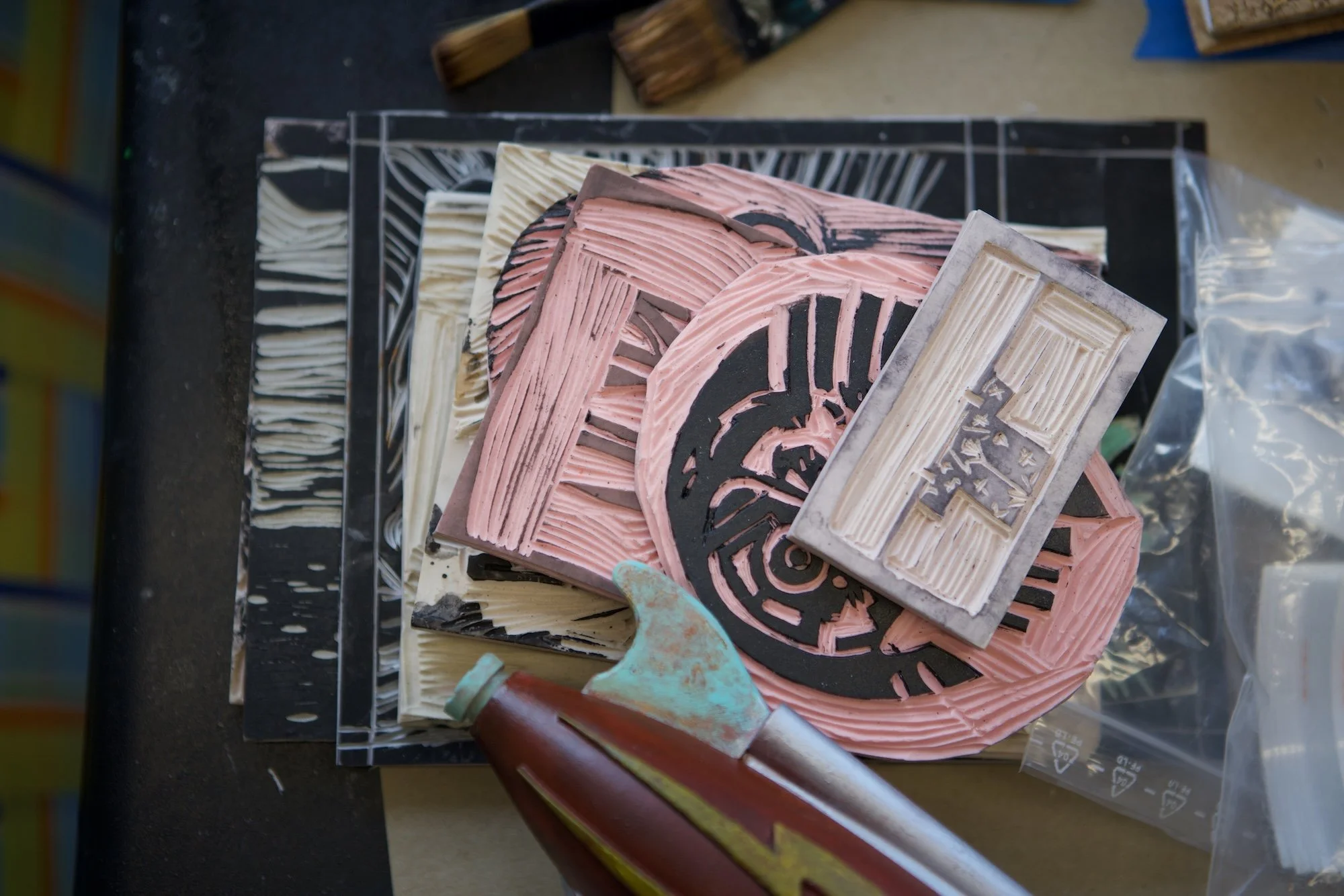
Over time, those tools begin to overlap. Something learned while constructing a three-dimensional object might influence a painting. A printing technique might suggest a new approach to composition. An observation made outdoors might reappear later as a color, shape, or texture.
The connections aren't always planned.
That's part of what makes making interesting.
Follow the Idea
Some artists begin with a detailed vision of what the finished piece should look like.
Dave is more interested in finding out.
He often begins with a loose idea and allows the work itself to influence what happens next. Decisions are made through looking, reacting, adjusting, adding, removing, and occasionally starting over.
That means the studio isn't simply a place where ideas are executed. It's where ideas are developed.
A piece can change direction halfway through. Something that initially feels unsuccessful might reveal an entirely different possibility. A small test can become more compelling than the project it was originally intended to support.
Dave has learned to pay attention to those moments.
The goal isn't to control every part of the process. It's to recognize when something interesting is happening and be willing to follow it.
Mistakes Are Useful
Experimentation inevitably produces things that don't work.
Dave doesn't see that as wasted time.
A failed attempt still reveals something about a material or technique. Sometimes it confirms what not to do. Other times, the mistake itself produces an effect that would have been difficult to invent intentionally.
Those moments have taught Dave not to become overly attached to the original plan.
Making art requires enough control to guide the work and enough flexibility to recognize when the work is trying to go somewhere else.
That balance between intention and unpredictability has become an important part of his practice.
See Where the Ideas Lead
The best way to understand Dave's practice is to move through the work. Explore finished paintings alongside prints, landscapes, dimensional pieces, and experiments to see how different ideas and processes connect.